Why a Tree May Need to Come Down for Safety, Health, or Property Protection
Homeowners usually need tree removal services when a tree becomes unsafe, badly damaged, diseased, dead, or too close to a home or utility line. In many cases, the problem starts small and gets worse over time. A leaning trunk, large dead limbs, root damage, and storm damage are common warning signs. In Independence, MO, fast action can help prevent injury, roof damage, fence damage, and costly cleanup after a tree fails.
Quick Diagnosis Summary
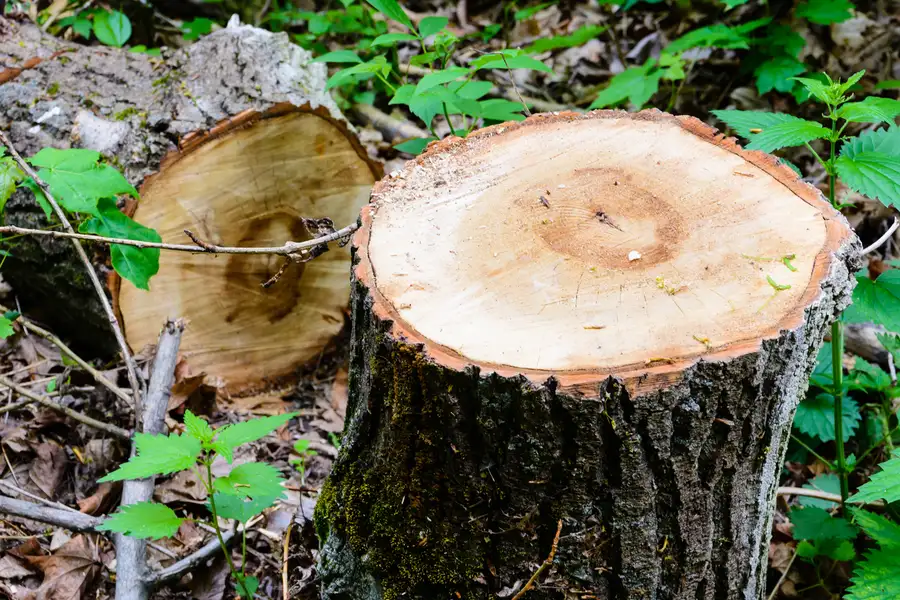
The most common reason for tree removal is safety. A tree may be weak, dying, hollow, or split after a storm. Sometimes roots push into driveways, lift sidewalks, or damage pipes. In other cases, the tree has outgrown the space. When a tree is too close to a house, garage, shed, or power line, removal may be the safest fix. While some tree problems can be managed with trimming, not every tree can be saved.
Common Symptoms
Many trees show warning signs before they fail. Homeowners often notice changes in the trunk, branches, roots, or leaves. These signs do not always mean removal is needed right away, but they should not be ignored.
-
- Large dead branches in the upper canopy
- Deep cracks in the trunk
- A hollow or soft spot in the wood
- Mushrooms growing near the base
- A tree leaning more than before
- Roots lifting from the ground
- Bark falling off in large patches
- Very few leaves during the growing season
- Storm damage with split limbs or a broken top
These symptoms often point to decay, disease, root failure, or structural weakness. If the tree is near a home, parked cars, play areas, or walkways, the risk goes up fast.
Likely Causes
There are several reasons a tree may become a hazard. Age is one cause. Older trees can weaken inside even if the outside still looks solid. Disease is another big cause. Fungal rot, insect damage, and poor soil conditions can slowly kill a tree. Storms also play a major role. High winds, heavy rain, and lightning can split a trunk or break major limbs.
Poor planting choices also lead to future removal. A tree planted too close to a house may crowd the roof, block gutters, and scrape siding. Fast-growing species can become too large for small yards. Some trees also develop shallow roots that cause ground movement. Even healthy trees may need tree removal when they create repeated property problems or block planned construction.
If a homeowner is dealing with more than one tree issue at the same time, the wider service category may involve arbor care or related outdoor property work, even when full removal becomes the final step.
What to Check First
Before making a decision, start with a simple visual check from the ground. Do not climb the tree or try to cut large limbs without training. Look at the trunk, the base, and the canopy. Check if the tree recently changed shape or dropped large limbs. Notice whether the soil around the roots looks raised or cracked.
- Look for dead branches, cracks, and hollow spots.
- Check whether the tree leans more than it used to.
- Look at the roots for lifting, rot, or damage.
- Notice if limbs hang over the roof or driveway.
- Think about recent storms, digging, or construction nearby.
- Take photos so changes can be tracked over time.
This basic check can help a homeowner see whether the tree may need trimming, monitoring, or full removal.
Safe Fixes Vs Pro-Level Fixes
Some minor tree issues have simple fixes. Light pruning of very small dead twigs may help appearance. Keeping mulch away from the trunk and watering during dry periods may help a stressed tree. If a young tree leans slightly, support and proper care may help it recover.
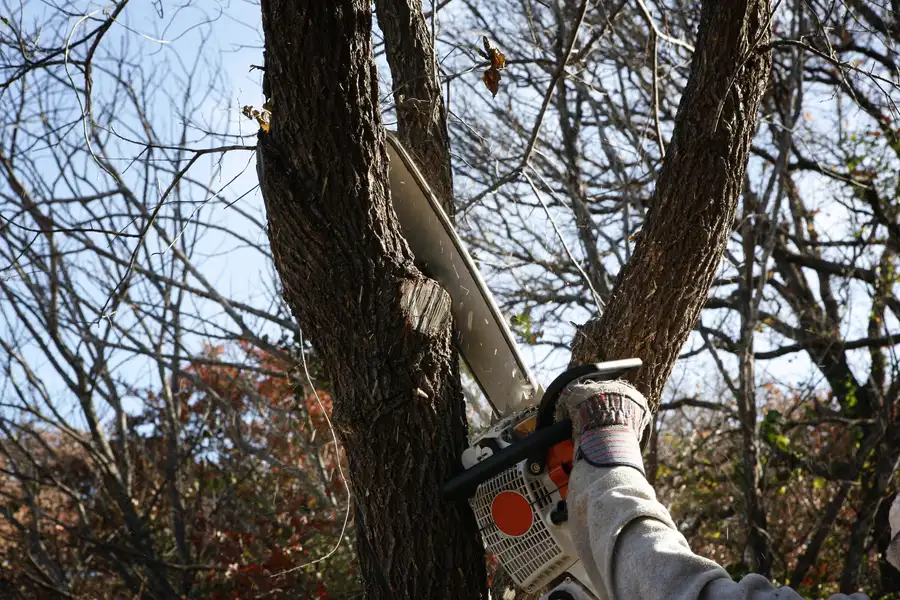
Still, many tree problems are not safe for a homeowner to handle alone. Large dead limbs, split trunks, hanging branches, and trees near power lines call for professional help. The same is true for trees with rot at the base or major storm damage. Cutting a large tree is dangerous work. It involves weight shifts, falling limbs, chainsaw use, and possible damage to nearby structures. When removal is needed, trained crews use planned cutting methods and proper equipment.
Prevention Tips
Not every removal can be avoided, but regular care can lower the risk. Small problems are easier to manage than major damage. Healthy trees also handle wind and heat better than stressed trees.
- Have trees inspected if they are old or very large
- Prune weak limbs before storm season
- Do not pile soil against the trunk
- Avoid cutting roots during yard projects
- Watch for signs of disease or insect activity
- Choose the right tree for the space when planting
- Keep an eye on trees near roofs, fences, and driveways
Routine attention can extend a tree’s life and help homeowners avoid sudden failures. It can also show when tree removal is the safer choice before a bigger problem happens.
Final Recommendation
If a tree is dead, badly damaged, leaning, hollow, or causing damage around the property, it is smart to have it checked soon. Waiting too long can lead to falling limbs, emergency cleanup, and damage to homes or vehicles. In Independence, MO, local weather and soil conditions can make weak trees fail faster than expected. If you need help evaluating the next step, we at A-1 Tree Care LLC can inspect the situation, explain the options, and schedule service. Call us at (816) 715-5820 to get started.