Safer Property, Healthier Yard, and Fewer Costly Surprises
tree removal helps protect your home and landscape by taking out dead, weak, or badly placed trees before they fall, crack hard surfaces, or harm nearby plants. A failing tree can damage a roof, block sunlight, drop large limbs, and strain the soil around other plants. In many cases, removing one unsafe tree makes the whole yard safer, cleaner, and easier to care for.
Quick Answer
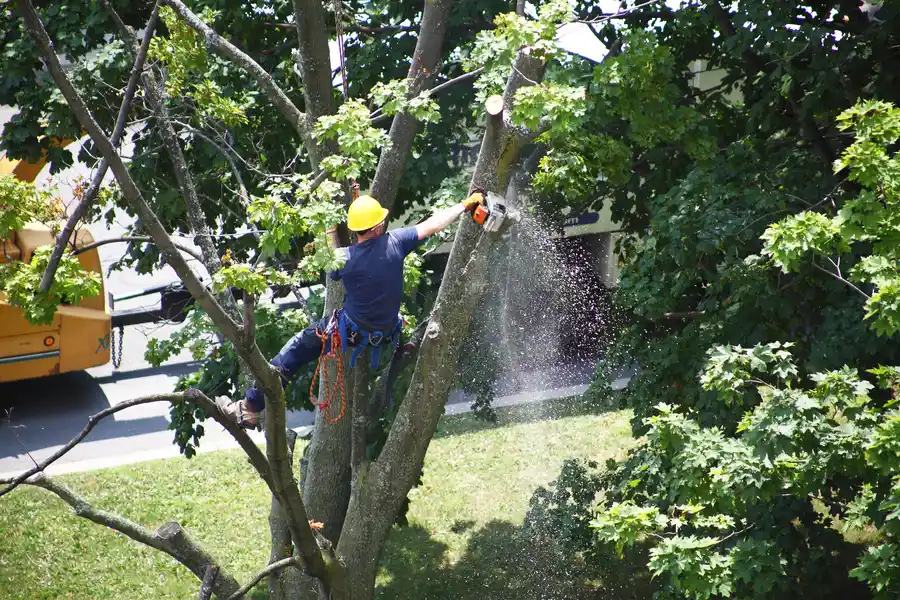
When a tree is dead, diseased, leaning, or growing too close to a structure, tree removal can prevent major property damage. It can also improve light, airflow, and space in your yard. That means your grass, shrubs, and flower beds may have a better chance to grow. In simple terms, removing the wrong tree at the right time can protect both your house and your outdoor space.
What You Need Before Starting
Before any work begins, it helps to look at the tree’s condition and location. Is it close to your roof, fence, driveway, or power lines? Are there cracked limbs, hollow spots, or roots pushing up the ground? You should also think about access. A tree in an open yard is very different from one tucked between a home and a garage. This kind of yard and property work often falls under a service category, even if the main need is tree care.
It also helps to know your goal. Some people want to stop damage. Others want more sun, more space, or better curb appeal. A clear goal makes it easier to choose the right next step.
Step-by-Step Process
A careful process lowers risk and helps protect the rest of the landscape.
- Inspect the tree from top to bottom. Look for dead limbs, decay, splits, and lean.
- Check what is nearby. Note the roof, windows, walkways, gardens, and utility lines.
- Look at the root area. Raised soil, cracked pavement, or root spread can signal trouble.
- Plan the drop zone or removal method. Tight spaces may need section-by-section cutting.
- Protect the yard. Cover delicate plants and mark areas that should stay clear.
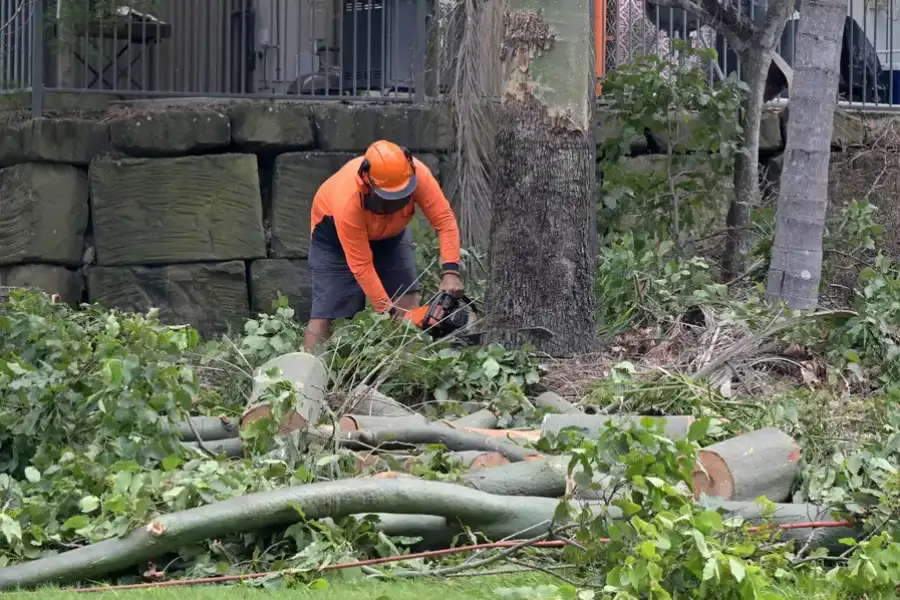
- Remove the tree safely. The method depends on size, health, and location.
- Clean up limbs, trunk pieces, and debris. This keeps the site safe and usable.
- Decide what to do with the stump. Stump grinding may help prevent pests and regrowth.
Common Mistakes to Avoid
One common mistake is waiting too long. A dead or damaged tree rarely gets better on its own. Storms, strong wind, or wet soil can make it fail without much warning. Another mistake is focusing only on the trunk. Roots can also hurt your property by lifting sidewalks, pushing into driveways, or drying out nearby planting areas.
Some people also remove a tree without thinking about the rest of the yard. Sudden full sun can stress shade-loving plants. Bare soil may wash away during rain. It helps to have a plan for what comes next, such as mulch, new planting, or fresh grading.
- Do not ignore mushrooms, hollow spots, or peeling bark.
- Do not cut large limbs without a safe drop plan.
- Do not forget about underground roots and stump issues.
- Do not assume every tree should stay just because it is mature.
When to Call a Professional
Professional help is a smart choice when the tree is large, damaged, leaning, or near structures. It is also the safer option if limbs hang over your roof or if the tree stands near power lines. A trained crew can remove sections in a controlled way and reduce the chance of harm to people or property.
You may also want expert help if you are not sure whether the tree should come down at all. In some cases, trimming is enough. In other cases, full tree removal is the safer answer. A good inspection can help you avoid guessing.
Why This Protects Your Home
Trees can be beautiful, but weak trees can be hard on a house. Falling limbs can break shingles, gutters, siding, and windows. A full tree failure can damage walls, fences, and parked cars. Even without falling, branches that rub on the roof can wear down materials over time.
Roots can also create slow damage. They may crack patios, shift pavers, and lift parts of a walkway. In some yards, roots can affect drainage and make wet spots worse after rain. Removing the problem tree can stop that damage from getting worse.
Why This Protects Your Landscape
A struggling tree can hurt more than your house. It can also crowd out the rest of the yard. Dense shade can thin the lawn and make it harder for smaller plants to grow. Sick trees may drop branches, seeds, and heavy leaf litter that smother beds and create constant cleanup.
When that tree is removed, the space often becomes easier to manage. You may get better sunlight, stronger airflow, and more room for healthy planting. That can help grass fill in, reduce damp spots, and give new plants a better start. In some cases, one removal improves the balance of the whole landscape.
Final Recommendation
If a tree shows signs of failure or is damaging nearby areas, acting sooner can save time, stress, and repair costs. A close look at the tree, the root zone, and the space around it can tell you a lot. The safest choice is usually based on size, condition, and location, not just looks. If you are unsure, get a skilled opinion before the next storm or growing season makes the risk worse.
Get Help With the Next Step
For property owners in Independence, MO, we can help inspect unsafe trees and explain the safest next step. At A-1 Tree Care LLC, we handle tree removal with care for roofs, driveways, and planting areas. Call us at (816) 715-5820 if you’d like us to take a closer look and help protect your yard and home.