Simple Care Helps Trees Stay Strong and Lowers Risk
Tree trimming helps trees grow better, removes weak or dead limbs, and makes your yard safer. It can lower the chance of falling branches during wind and storms. It also helps more light and air move through the tree. In many cases, regular care keeps small tree problems from turning into big ones. If you want healthier shade trees and fewer safety risks around your home in Independence, MO, trimming at the right time can make a real difference.
Why Prevention Matters
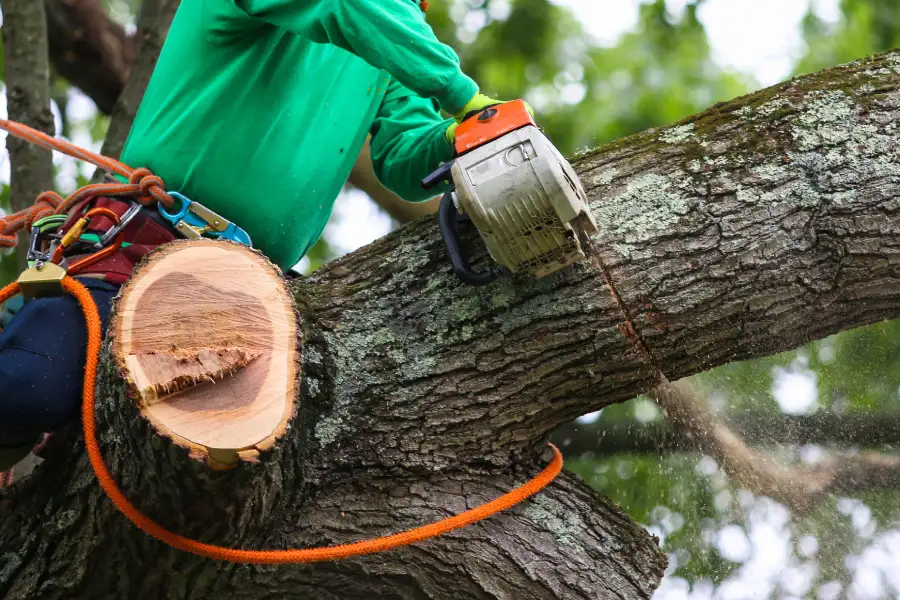
Many people wait until a branch breaks before they think about tree care. That can be risky. A heavy limb over a driveway, roof, or play area can fall with little warning. tree trimming is a smart prevention step because it removes weak growth before it becomes a hazard. It also helps shape young trees so they grow in a stronger way over time. This kind of outdoor care supports both safety and plant health.
Good trimming does more than make a tree look neat. It can stop branches from rubbing together, cut back crowded growth, and reduce places where decay may spread. A cleaner canopy can also help after rain by letting leaves dry faster. That may lower the chance of some tree diseases.
Early Warning Signs
You do not have to wait for a branch to fall to spot trouble. Trees often show clear signs that they need attention. If you walk your yard every few weeks, you may catch these signs early. That can help you act before damage happens.
- dead or hanging branches
- limbs touching the roof or power lines
- cracks where large branches meet the trunk
- branches crossing and rubbing each other
- thick growth blocking light or air
- low limbs over sidewalks, driveways, or patios
- storm damage with split or bent branches
If you see one or more of these issues, the tree may need pruning soon. Small cuts made at the right time are often easier on the tree than large cuts made after damage spreads.
Seasonal or Routine Checklist
A simple care schedule can help trees stay in better shape year after year. The best timing depends on the tree type, its age, and its condition. Still, a basic routine works for many yards.
- inspect trees in late winter or early spring for dead wood.
- check after storms for broken, split, or hanging limbs.
- trim young trees to guide strong shape and branch spacing.
- remove suckers or small weak shoots at the base if needed.
- watch fast-growing limbs near roofs, signs, and walkways.
- clear crowded branches to improve airflow through the canopy.
- schedule a fuller review once a year for larger trees.
Some trees do best when trimmed during dormancy. Others may need light seasonal care after active growth slows. If a tree blooms in spring, timing may affect flowers. That is one reason a careful plan matters.
Best Practices for Long-Term Results
Healthy trimming is about making smart cuts, not just removing lots of branches. Taking too much at once can stress a tree. A better approach is to remove only what helps the tree most. Focus on dead, damaged, diseased, or poorly placed limbs first.
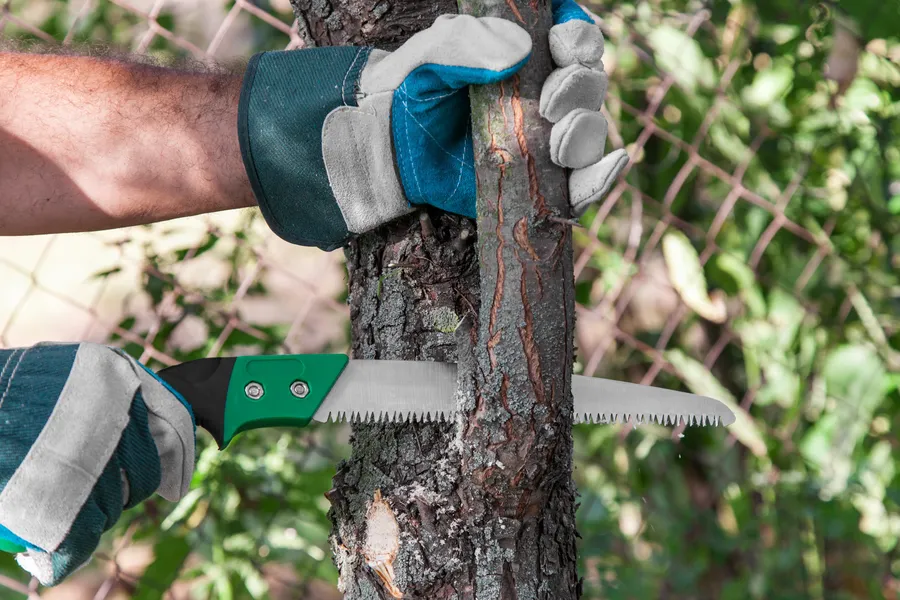
Good cuts should be clean and placed in the right spot near the branch collar, not flush against the trunk and not too far out on the limb. This helps the tree seal the wound better. Keeping the canopy balanced also matters. If one side is cut too hard, the tree may grow unevenly or become less stable.
For young trees, early shaping can help prevent future problems. For mature trees, the goal is usually safety, structure, and health. A little regular attention is often better than heavy cutting every few years.
What Not to Do
Some trimming habits can hurt a tree fast. Topping is one of the biggest mistakes. Cutting the main crown back to stubs can lead to weak regrowth, decay, and poor shape. Another problem is removing too much live growth in one visit. That can leave the tree stressed and open to sun damage.
People also run into trouble when they use dull tools, cut branches without a plan, or leave torn bark behind. Climbing with a ladder into a tall tree can be very dangerous. Work near utility lines adds even more risk. If a branch is large, high, or hard to reach, it is not a simple yard job.
When to Schedule Professional Help
Some trees need more than light upkeep. Large trees, storm-damaged trees, and trees near structures often need trained service. If you are dealing with limbs over a roof, branches close to lines, or signs of decay in the trunk, it is smart to get expert help. A trained crew can spot hidden weak points, use proper tools, and trim in a way that supports long-term health.
Professional help is also useful when a tree has not been trimmed in many years. Old neglected growth can be heavy and hard to manage safely. A planned approach can reduce risk while improving the tree’s form. This matters even more when the tree is part of a larger service category tied to property upkeep and outdoor safety.
Get Help With Safer, Healthier Trees
If you have trees that need attention in Independence, MO, we can help you decide what should be trimmed now and what can wait. Our team at A-1 Tree Care LLC focuses on safe, practical care that supports long-term tree health. Call us at (816) 715-5820 to schedule a visit and let us help you keep your property safer and your trees in better shape.