Safe Cuts Help Trees Stay Strong, Balanced, and Healthy
The best tree trimming methods protect the tree’s natural shape, remove weak or damaged growth, and avoid cuts that lead to decay. Good pruning supports strong limbs, better air flow, and steady growth. In Independence, MO, this matters for shade trees, yard trees, and young trees that still need help forming a solid branch pattern. The goal is not just a neat look. The goal is a tree that stays stable for years.
Quick Answer
tree trimming that protects tree structure starts with the right cut in the right spot. You remove dead, broken, rubbing, or poorly placed branches without stripping the canopy. You also keep one clear main leader when the tree species calls for it, and you space major limbs so weight stays balanced. Small, planned cuts are usually better than heavy cutting all at once. This kind of work fits within routine tree care and helps lower stress on the tree.
What You Need Before Starting
Before any tree trimming begins, it helps to know the tree’s age, species, and growth habit. A young maple needs a different approach than a mature oak. You also need clean tools, a clear view of the branch collar, and a safe work area below. If branches are high, near power lines, or too heavy to control, stop and get trained help. The wrong setup can harm both the tree and the person doing the job.
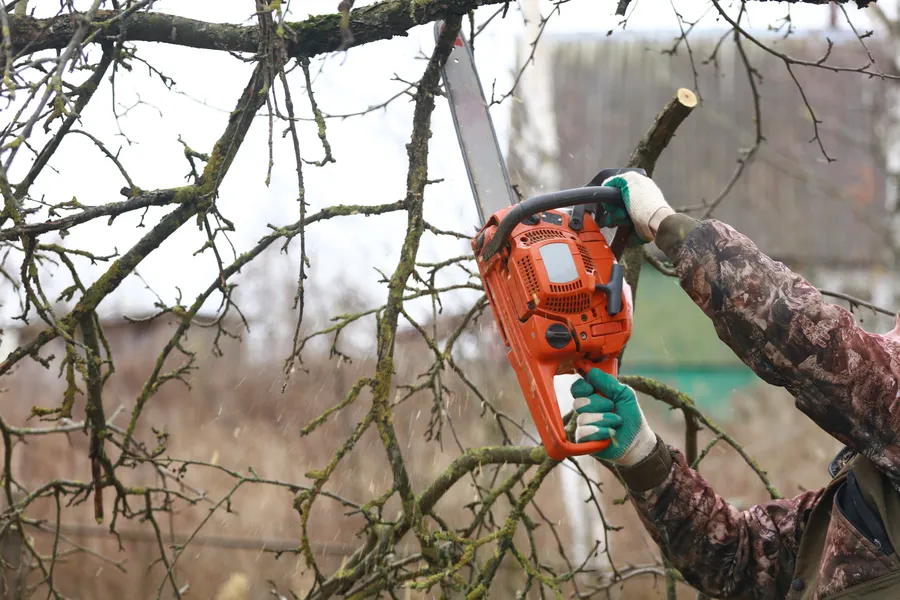
- hand pruners for small twigs
- loppers for medium branches
- a pruning saw for larger limbs
- gloves and eye protection
- a plan for which branches should stay
It also helps to step back and look at the whole crown before making the first cut. Many problems start when people focus on one branch and miss the tree’s overall balance.
Step-by-Step Process
A simple process makes tree trimming safer and better for the tree. Work slowly and check each cut before you make it.
- start with dead, broken, or hanging branches
- remove branches that rub against each other
- look for narrow branch angles that may split later
- keep the strongest central leader if the tree should have one
- thin crowded spots lightly to improve air flow
- cut just outside the branch collar, not flush to the trunk
- avoid removing too much live growth in one visit
The branch collar is the slightly swollen area where a branch joins the trunk or a larger limb. Cutting outside that area helps the tree close the wound better. Flush cuts remove this natural defense area and can lead to rot. Stub cuts are also bad because they leave dead wood behind.
Common Mistakes to Avoid
One of the biggest mistakes is topping. That means cutting large upright parts of the crown back to random points. Topping leaves weak regrowth, large wounds, and a tree that often becomes less stable over time. Another common mistake is removing too many inner branches. A tree needs enough leaf area to make food and manage stress.
People also make poor cuts when they rush. A branch may look easy to remove, but if it is heavy, it can tear bark down the trunk. For larger limbs, use a three-cut method. First make a small cut underneath the branch. Next make a second cut a bit farther out from the top to remove the weight. Then make the final cut just outside the branch collar. This helps protect the bark and trunk.
When to Call a Professional
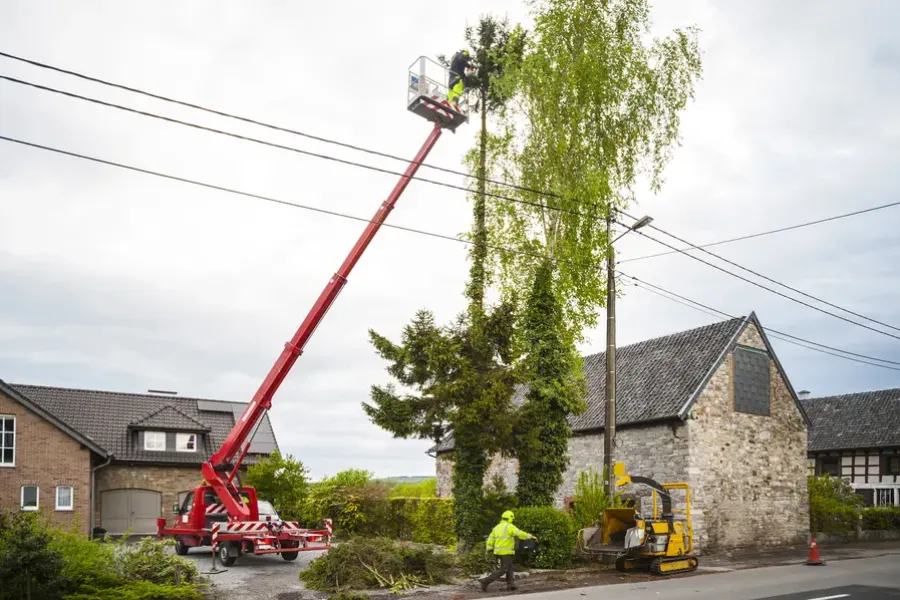
Some tree trimming jobs are not safe for a ladder and hand tools. Large limbs over a roof, branches above a driveway, split leaders, storm damage, and trees near utility lines all need extra skill. The same goes for mature trees with poor structure from past bad pruning. These trees may need careful reduction cuts, weight balancing, or cabling plans that go beyond basic yard work.
You should also call a professional if you are not sure which limbs create the structure of the tree. Taking off the wrong branch can change the whole shape and strength of the canopy. A trained eye can spot weak unions, overextended limbs, and growth patterns that may cause future failure.
Best Practices for Long-Term Results
Good structure is built over time. Young trees often need light pruning every few years to guide branch spacing and reduce future problems. Mature trees usually need less shaping and more selective removal. The idea is to help the tree keep a strong frame as it grows, not force it into an unnatural shape.
Here are a few habits that support long-term strength:
- trim young trees early before defects get large
- keep permanent scaffold branches well spaced
- do not remove more live crown than the tree can handle
- schedule pruning during the right season for the species
- check after storms for cracked or hanging limbs
These steps help lower the chance of breakage later. They also help trees put energy into stable growth instead of weak replacement shoots.
Final Recommendation
If your goal is to protect tree structure, think of tree trimming as careful guidance, not heavy cutting. Start with the tree’s natural form, make clean cuts in the right places, and avoid quick fixes like topping. Small problems are much easier to correct than large ones. If a tree is tall, damaged, or hard to read, contact us for help in Independence, MO. At A-1 Tree Care LLC, we can look at the canopy, explain the next steps, and help you choose safe tree care for your property. Call (816) 715-5820 to schedule a visit with our team.