The Safest Choice Is to Let Trained Crews Handle Risky Tree Work
Tree cutting should be left to the experts because it can turn dangerous fast. A tree may look simple to trim or remove, but one wrong cut can drop heavy limbs, damage a roof, or cause a bad injury. In Independence, MO, many property owners try to handle this work alone and find out too late that ladders, chainsaws, and unstable branches are a risky mix. Trained crews know how to plan the job, control the fall, and protect the area around the tree.
Common Risks People Do Not See at First
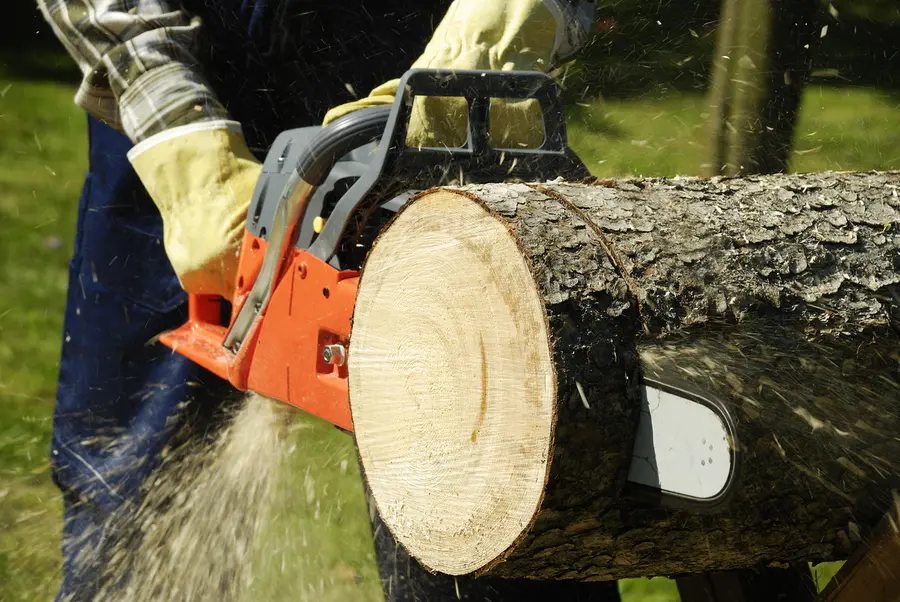
Many tree problems are easy to miss from the ground. A limb may look strong but be hollow inside. A trunk may lean in a way that changes where the tree will fall. Branches may be tangled in power lines or hanging over a fence, shed, or driveway. Even small jobs can become unsafe when wood is wet, rotten, or under pressure.
People often think tree cutting is just about using a saw. It is also about reading weight, tension, height, and direction. A branch can swing back. A trunk can split. A cut section can bounce after it lands. These are the kinds of hazards that trained crews learn to manage.
Why These Jobs Become Dangerous so Fast
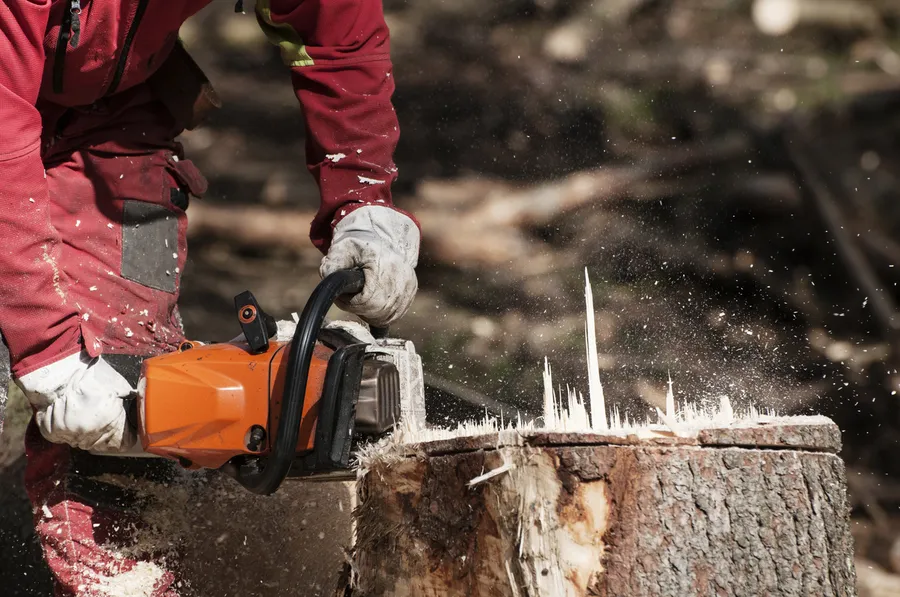
The main cause of accidents is poor control. If a person does not know how the tree is loaded, the cut may not act the way they expect. Another common issue is weak equipment. A basic ladder on uneven ground is not safe for overhead cutting. Home tools also may not match the size of the job.
There is also the problem of hidden damage. Trees can have decay, insect damage, storm cracks, or dead sections high up in the canopy. A person may start cutting one area and trigger movement in another. This is one reason the service category keyword is hard to separate from safety. The work is not just physical. It takes planning and judgment too.
What Should Be Checked Before Any Cutting Starts
Before any saw starts, the tree and the area around it need a full check. This helps spot hazards and decide if the work should stop until a professional arrives.
- Look for dead limbs, cracks, and hollow spots
- Check for power lines near limbs or the trunk
- See where the tree leans and where weight sits
- Inspect the ground for slopes, roots, and soft soil
- Notice nearby roofs, cars, fences, and walkways
- Watch for storm damage or hanging branches
If any of these issues are present, tree cutting is no longer a basic yard task. It becomes a high-risk job. That is when expert help matters most.
Safe Fixes Versus Pro-Level Fixes
Some light yard cleanup can be done safely by a homeowner. Picking up fallen twigs, moving small limbs already on the ground, or trimming very low growth with hand pruners may be fine. These simple tasks stay within reach and do not involve climbing or heavy cutting.
Pro-level fixes are different. Removing large limbs, cutting above shoulder height, working from a ladder, handling a leaning tree, or cutting near structures should be left alone. The same goes for storm-damaged trees. Those jobs often need ropes, rigging, climbing gear, and a clear plan for every cut.
Experts also know when a tree should not be cut right away. In some cases, support, staged removal, or traffic control may be needed first. That kind of choice can prevent damage and injury.
How Experts Help Prevent Bigger Problems
Professional tree crews do more than remove branches. They help prevent the next issue too. Correct cuts can improve tree health, lower the chance of storm breakage, and reduce risk near homes and driveways. A rushed job can harm the tree and make future failure more likely.
Experts also help with cleanup and disposal. Large sections of wood are heavy and hard to move. Stumps, brush piles, and sharp debris can create more work and more hazards after the cutting ends. A trained team can finish the job in a safer and more organized way.
For property owners, this often means fewer surprises. The work is planned, the drop zone is managed, and nearby property gets more protection. That makes a big difference when the tree is close to spaces people use every day.
Mistakes People Make When Trying to Do It Themselves
One common mistake is underestimating the size of the branch. Another is making a cut without an exit path. Some people stand in the wrong spot and get trapped by falling wood or shifting limbs. Others cut too much from one side and lose control of the tree’s balance.
Another mistake is using the wrong gear. A household ladder, dull chain, or poor eye protection can turn a small job into an emergency. Trying to save time often leads to more damage, more cleanup, and more stress.
People also forget about local factors. Wind, wet bark, and soft ground can all change the job. A tree that seems stable in dry weather may act very differently after rain or a storm.
When It Is Time to Call for Expert Help
You should call for expert help when a tree is large, damaged, close to a building, or near utility lines. You should also get help if the trunk leans, the branches hang over a roof, or the tree shows signs of rot. If you are not fully sure where the tree or limb will go, that is a strong sign to stop.
It also makes sense to call when safety gear and tools are not enough for the job. The cost of a mistake can be much higher than the cost of bringing in trained help. A broken fence, hurt person, or damaged roof is far more serious than a delayed yard project.
Talk With a Local Team Before Taking the Risk
If you are dealing with a risky tree on your property in Independence, MO, it is smart to get help before making the first cut. At A-1 Tree Care LLC, we handle tree cutting with careful planning and safe methods. Call us at (816) 715-5820 and let us know what is going on, and our team will help you figure out the next step.